

The guava fruit is a beautiful tropical fruit. It has many delicious and useful uses. Here you will find everything you need to know to start enjoying guavas all the more.
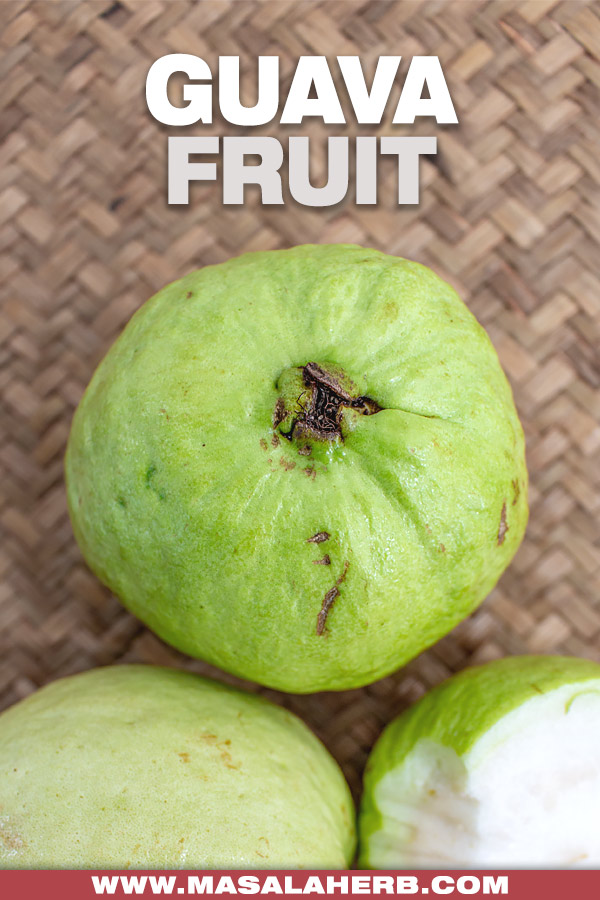
What is a Guava?
Guava is a tropical fruit in every sense of the word. It grows in the tropics around the equator, smells like the tropics, and is the fruitiest of all the fruits out there! If you’ve ever eaten them, you’ll know exactly what I am saying. And if you haven’t, you’re definitely missing out.
Next time you spot these babies, no matter what the color or size, make sure you grab them! They’re delicious! There are several varieties of guavas you can get, depending on where you live. The fruit is mostly round or pear-shaped, and it grows all year round.
The rind/skin and seeds become completely edible once the fruit is ripe. Did you know? Guava seed oil works like magic for flawless skin! Even though guava is native to the subtropical regions of Central America, Mexico, and the Caribbean, India is its largest producer and exporter today.
Types
These are the most common varieties of guavas that you can lay eyes and hands-on, ranked according to their availability.
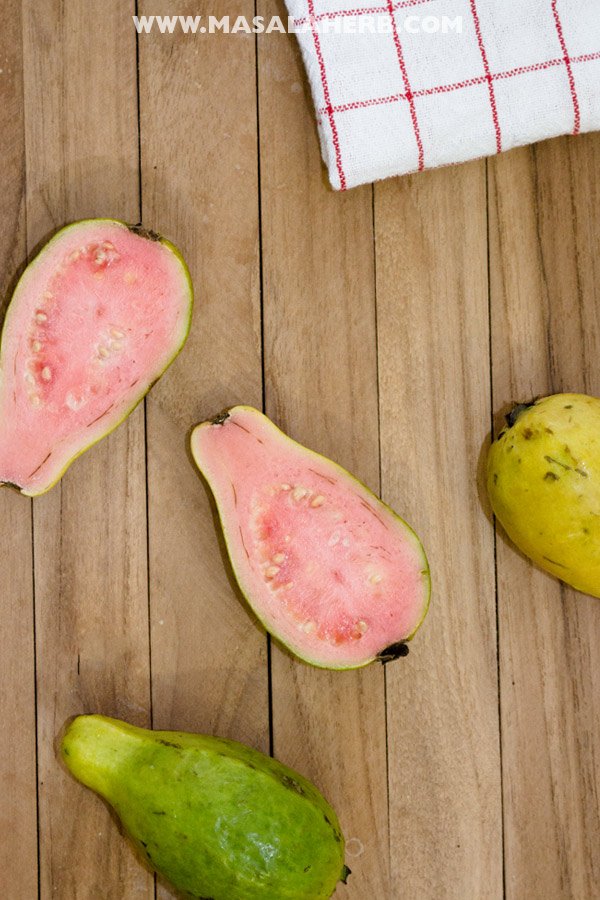
- Apple guava - This is also called the common guava; the insides are white, and the fruit turns yellow as it ripens. It is on the sweeter side and full of seeds.
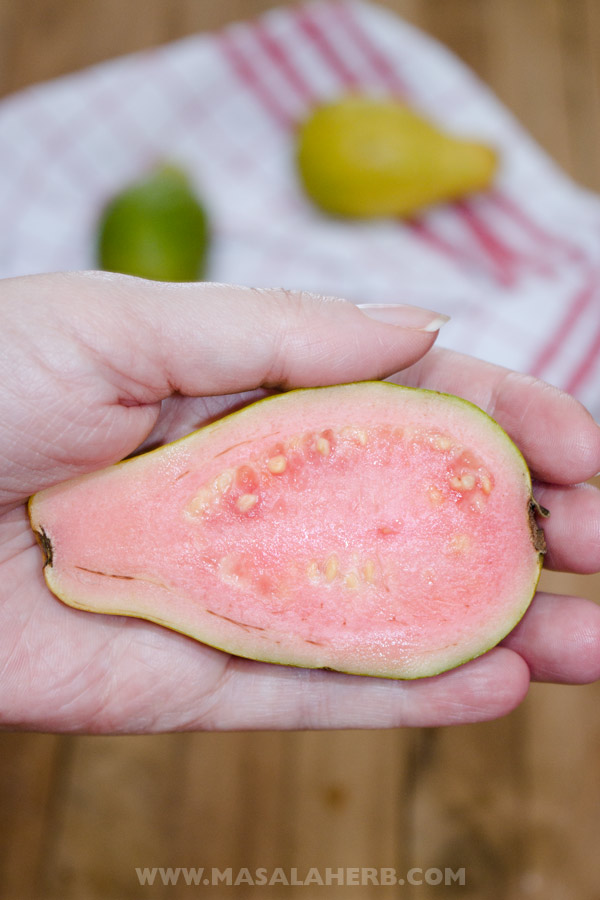
- Red Apple Guava - When the common guava is pinkish-red on the inside, it is a red apple guava. It is also relatively smaller.
- Thai guava - Even though they are called Thai guavas, their production is not limited to Thailand. They’re the crunchiest of the lot and only mildly sweet.
- Strawberry guava - It is also called cherry guava or Cattley guava. Needless to say, it has red skin, and hints of strawberries, and it is native to Brazil.
- Lemon guava/ Yellow Strawberry Guava - Lemon Guavas look like lemons on the outside but taste like passion fruit on the inside! They’re a delightful mix of sweet and tart, and, like their red cousin, they’re also native to Brazil. They can also be found in South America.
Have you ever come across pineapple guavas?
Now they’re the deceptive kind. They may look like guavas, but they actually aren’t. They are a completely different fruit common to the tropics, trying to be guavas. That’s how good guavas are.
Uses
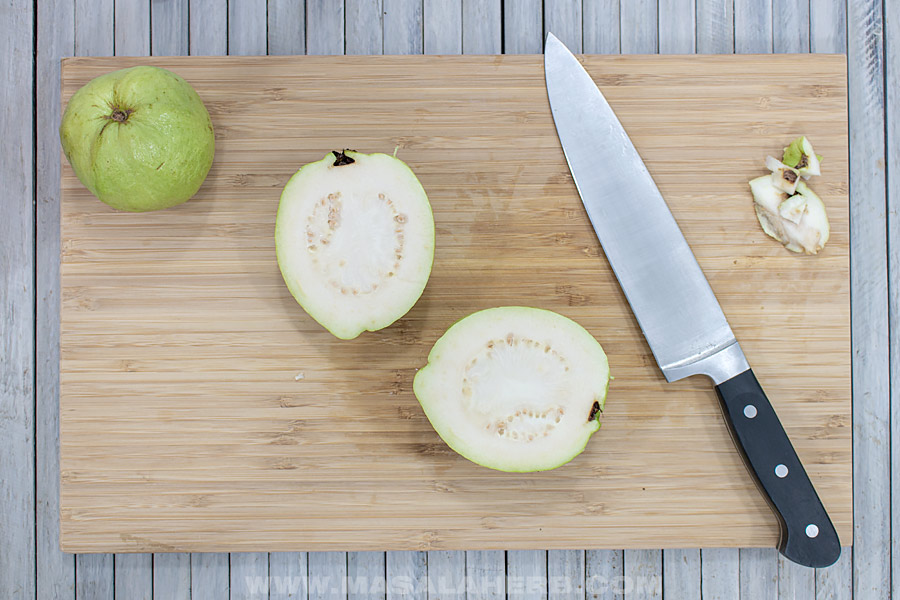
Guava is also known as the apple of the tropics. Just like apples, they can be eaten whole too. While they tend to get a bit soft and sweet as they ripen, they are crunchy and a tad bit tangy when they’re still green on the outside.
Since guavas are packed with flavor and pulp, you can eat them in a number of ways. Guavas being rich in natural pectin, are ideal for jams. You could make a yummy guava jam or a jelly.
If you’re in the mood to try something quirky, you should definitely try making Guava Cheese/Goiabada, a simple and classic Portuguese delicacy. Guava is widely used in Indian recipes, such as chutneys and pickles. Dried guava slices make for a really tasty bite to munch on.
Guava juice tastes like a vacation in itself. It’s great for cocktails and mocktails for a citrusy yet sweet splash. If you ever spot a chili pepper guava concoction on a menu, just go for it! You could whip up a sorbet or a sherbet and even make a fancy cheesecake with guavas.
Storing
There are several ways to store and preserve your guavas. Wondering if they’re ripe yet? Believe me, you’ll know. Their heady and sweet scent will take over your home. Guava skin becomes lighter as they ripen, and they also become soft. If you want to increase their shelf life, keep them away from light and heat.
Once ripe, you can refrigerate them or even freeze them. Put them in a plastic bag and place them in the crisper section of your refrigerator. This will work for 2-3 days. If you need to store them longer, consider freezing them.
For this, you need to peel them, cut them into chunks, and place them in simple syrup, so they don’t lose their sweetness while they’re freezing. Frozen guavas keep for almost a year. You can also make a quick purée and use it at your own whim! Get crazy; you can hardly go wrong.
FAQs
Guava seeds are perfectly edible. Locals that grow the fruit eat it whole, as the seeds are great for gut well-being. While it doesn’t cause any ailments, it could aggravate kidney-related issues. You can always deseed the fruit to not completely miss out on it, though.
Guavas taste like a picnic. They’re sweet, tangy, pulpy, and crunchy at the same time! It also depends on the variety that you’re eating, but all of them are liked, pretty much by all age groups. Guavas have a unique taste and smell.
Guavas are native to Central America and Mexico, where they occur wild. They were introduced in many subtropical and tropical regions like India, China, various African countries, and Thailand by the Spaniards and the Portuguese, wherever they ruled.
They both have their benefits. The white ones are more starchy, and seedy, with a bit of crunch to them. The red ones have fewer seeds and less sugar and tend to be softer and more attractive. It all comes down to how you like your guavas; either way, they’re amazing!


Comments
No Comments